
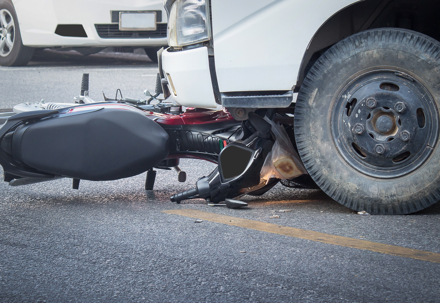
Florida is one of the most beautiful states in the country to ride a motorcycle — and one of the most dangerous. The Florida Department of Highway Safety reports thousands of motorcycle crashes each year, with riders accounting for a wildly disproportionate share of catastrophic injury and fatal-crash victims. The combination of dense traffic, distracted drivers, and a no-fault auto system that does not cover motorcyclists the way it covers car drivers creates a uniquely hostile legal environment for injured riders.
After HB 837, that environment got harder. Two-year deadlines, modified comparative negligence, and tighter medical damages rules now stack on top of the long-standing problem of "biker bias" — the unconscious assumption that the rider must have been at fault. This is The Watson Firm's 2026 guide to Florida motorcycle accident claims, written for riders who want to know exactly what they are up against and how to win.
Why Motorcycle Accident Cases Are Different From Car Accident Cases
Florida's PIP system does not require coverage for motorcycles
The single biggest legal quirk of Florida motorcycle riding is the PIP gap. Florida's no-fault statute requires passenger vehicles to carry Personal Injury Protection. Motorcycles are explicitly excluded. Motorcyclists are not required to carry PIP, and most do not.
That means an injured rider does not have the $10,000 PIP cushion a car driver enjoys. From the very first medical bill, the rider is looking to the at-fault driver's bodily injury liability coverage, their own health insurance, or — in the worst cases — their own pocket. This makes early identification of every available policy critical.
The injuries are categorically worse
Motorcycle riders involved in collisions with passenger vehicles suffer dramatically more severe injuries than the car drivers who hit them. Common motorcycle crash injuries include:
Traumatic brain injuries, even with helmet use. Spinal cord injuries and paralysis. Compound fractures of the legs, arms, and pelvis. Severe road rash, requiring skin grafts. Internal organ damage. Amputations.
These injuries drive medical costs into the hundreds of thousands of dollars and produce permanent impairments. They also make the financial stakes — and the policy limits available — far more important than in a typical fender-bender.
Motorcycle cases are valued lower per dollar of injury
Insurance carriers and many juries carry an unconscious bias against motorcyclists. They assume the rider was speeding, lane-splitting (which is illegal in Florida), weaving, showing off, or otherwise contributing to the crash. This is "biker bias," and it is real. Every Florida motorcycle attorney must be prepared to fight it.
The Real Causes of Florida Motorcycle Crashes
The data is unambiguous: in the majority of multi-vehicle motorcycle crashes, the other driver is at fault. The classic Florida motorcycle crash patterns include:
Left-turn collisions. A car turns left across an intersection in front of an oncoming motorcycle. The driver "did not see" the bike — or saw it and misjudged its speed. This is the single most common pattern.
Lane changes. A driver changes lanes into a motorcycle in their blind spot.
Rear-end strikes. A distracted driver, often on their phone, runs into the back of a stopped or slowing motorcycle.
Door-openings and parking lot crashes. A driver opens a door or backs out of a space into a passing motorcycle.
Hazardous roadway conditions. Loose gravel, potholes, debris, or improperly designed roadways. These cases sometimes involve claims against municipalities and require pre-suit notice under § 768.28.
Defective equipment. Tire blowouts, brake failures, and other product defects, where the manufacturer may be a defendant.
Florida Motorcycle Helmet Law and Its Effect on Your Claim
Florida law allows riders 21 and older to ride without a helmet if they carry at least $10,000 in medical insurance. Riders under 21 must wear a helmet at all times.
That said, the legal right to ride without a helmet does not eliminate its impact on a claim. If you were not wearing a helmet and suffered a head injury, the defense will argue that some portion of your injuries was caused by — or made worse by — the failure to wear one. Under Florida's modified comparative negligence law, that argument can translate into a percentage reduction in your recovery.
This does not mean a non-helmet case is unwinnable. It means it must be built carefully, with medical evidence about which injuries were and were not affected by helmet use, and an attorney who understands how to neutralize the bias.
HB 837 and the Motorcyclist
The 2023 tort reform changes apply to motorcycle claims with full force:
Two-year statute of limitations under Florida Statute § 95.11. You have two years from the date of the crash to file suit. The clock does not stop while you negotiate.
Modified comparative negligence — the 51% bar. If you are found more than 50% at fault, you recover nothing. For motorcyclists fighting an uphill battle against bias, this is genuinely dangerous. Defense lawyers will work hard to push fault percentages up.
Medical damages capped at "paid or payable" amounts. The full billed value of your medical care is not what the jury sees. For high-medical-cost motorcycle cases, this can substantially reduce damages numbers.
These three changes mean the strategy on a motorcycle case has to start the day of the crash, not the day a demand letter is sent.
Insurance Coverage Sources for Florida Motorcycle Riders
Identifying every applicable policy is one of the most important things an attorney does on a motorcycle case. The likely sources include:
The at-fault driver's bodily injury liability. This is the primary recovery source. Florida does not mandate bodily injury liability for most private drivers, and many carry only minimum coverage. Catastrophic injuries can easily exceed the available policy.
Your own uninsured/underinsured motorist coverage. If you carry UM/UIM on your motorcycle policy, this is often the single most valuable piece of coverage you have. About 20% of Florida drivers are uninsured, and many more are underinsured for the kind of injuries a motorcycle crash produces. Every Florida rider should carry as much UM/UIM as they can afford.
Your own medical payments (MedPay) coverage. Optional on motorcycle policies, MedPay pays your medical bills regardless of fault. Even modest MedPay limits — $5,000 or $10,000 — can be invaluable in the weeks after a crash.
Health insurance. Important not only as a payer, but as a lien-holder. Your attorney will negotiate liens to put as much of the settlement in your pocket as possible.
Commercial policies. If the at-fault driver was working — making a delivery, on the clock for an employer, driving a company vehicle, or operating a rideshare — there may be commercial coverage with limits dramatically higher than personal auto coverage.
Umbrella policies. Some drivers carry $1M+ personal umbrella policies that sit above their auto liability. These are not advertised; an experienced attorney knows how to discover them.
What to Do After a Florida Motorcycle Crash
Get medical attention immediately. Adrenaline hides serious injuries. Get evaluated even if you "feel okay." Document every injury.
Do not give a recorded statement to the at-fault driver's insurer. Their adjuster's job is to find any inconsistency or admission they can use against you.
Preserve the bike. Damage to the motorcycle is a critical piece of evidence in any liability dispute. Do not let the insurer total it and dispose of it before your attorney has documented it.
Document the scene and your gear. Photograph the bike, your helmet, jacket, gloves, and any other gear. Damage to riding gear corroborates impact mechanics and helmet effectiveness.
Find witnesses fast. Motorcycle crashes happen quickly. Witness recollections fade. Get names and numbers at the scene if possible.
Stay off social media. No posts about the crash, the injuries, your bike, or your activities. Insurance companies routinely review claimants' accounts.
Hire an attorney who handles motorcycle cases specifically. Motorcycle law has nuances — helmet defenses, biker bias, PIP gap — that general practitioners often miss. Ask any prospective attorney how many motorcycle cases they have personally handled.
What Your Florida Motorcycle Case May Be Worth
Settlement ranges depend heavily on injury severity, liability clarity, and available coverage:
Moderate injuries with full recovery: typically $25,000 to $100,000. Serious injuries with surgical intervention and lasting impairment: $100,000 to $500,000. Catastrophic injuries — TBI, spinal cord, amputation, permanent disability: $500,000 to several million dollars, often constrained by available policy limits.
The single biggest factor in catastrophic motorcycle cases is whether enough insurance exists to fully compensate the rider. This is why UM/UIM coverage on your own policy is the most important purchase a Florida motorcyclist can make.
Frequently Asked Questions
I was not wearing a helmet and I'm over 21. Can I still recover?
Yes. Florida law allows helmet-optional riding for those 21 and older with at least $10,000 in medical coverage. The defense will use the absence of a helmet to argue some injuries were avoidable. Your attorney's job is to separate helmet-related injuries from injuries that would have occurred regardless.
The other driver said I was speeding. Now what?
A statement from an at-fault driver — usually without evidence — is not the end of the case. Accident reconstruction, witness statements, and physical evidence from the scene often disprove these claims. Do not concede speed without an investigation.
How long do I have to file?
Two years from the date of the crash, under HB 837. For crashes before March 24, 2023, the older four-year limit may apply, but you should not assume this without legal advice.
What if the at-fault driver had only the Florida minimum coverage?
This is one of the most common and frustrating scenarios for motorcycle riders, because serious motorcycle injuries routinely exceed minimum limits. Your own UM/UIM coverage becomes critical. Your attorney will also investigate whether the at-fault driver has assets or additional policies.
Can I bring a case if I was lane-splitting?
Lane-splitting is illegal in Florida. Doing so significantly damages your case and may push you over the 51% fault threshold, barring recovery entirely. That said, fault is always context-dependent, and an attorney should evaluate the specific facts.
The Watson Firm Rides for Florida Bikers
Motorcycle cases require an attorney who understands the technology, the law, and the bias. The Watson Firm represents Florida motorcycle accident victims and their families across the state, in everything from straightforward left-turn cases to catastrophic injury and wrongful death litigation.
Every consultation is free. Every case is handled on a contingency fee — no recovery, no fee. And every client gets the kind of advocacy biker bias makes necessary: aggressive investigation, fast evidence preservation, and a willingness to take cases to trial when insurers refuse to deal fairly. Call us today.